Del Mar Fire Safe Council


Working Together for a
Wildfire-Resilient Del Mar
The Del Mar Fire Safe Council is a citizen-led group formed to educate and empower residents to improve the fire safety of their homes, neighborhoods, and the natural environment we all treasure. We work in collaboration with the Fire Department to ensure residents have the information, resources, and tools they need to protect their homes and neighborhood from wildfire.
This includes guidance on home hardening, defensible space, fire-wise landscaping, emergency readiness, and fire-resistant materials.
We need the participation of residents to increase Del Mar's wildfire resilience. Only by working together before a fire occurs can we make Del Mar safer and better prepared.
Why Does Del Mar Need a Fire Safe Council?
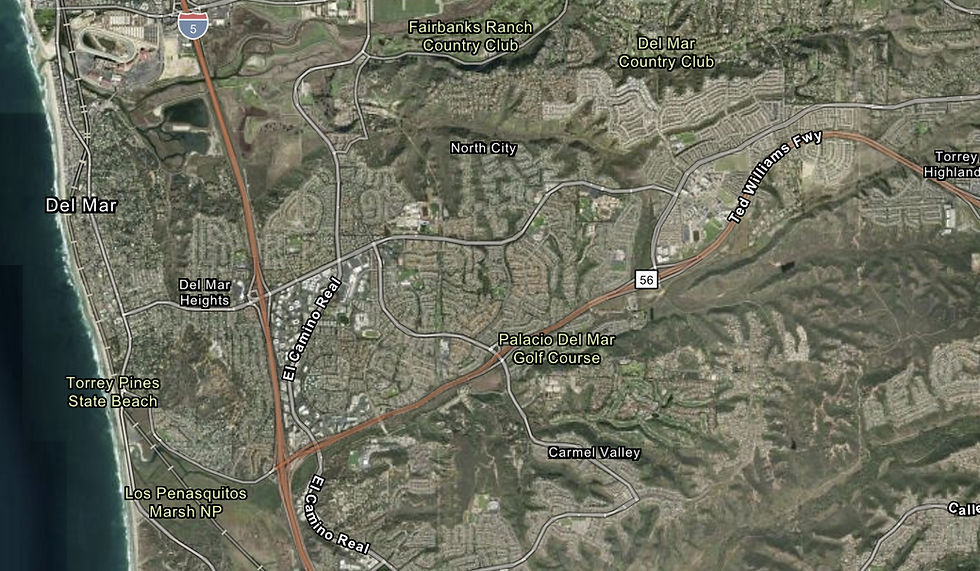
Approximately 81% of Del Mar parcels are now designated within CAL FIRE’s Fire Hazard Severity Zones, with the lion’s share in the Very High Fire Hazard Severity Zone.
The Del Mar Fire Safe Council helps residents understand the risk, reduce wildfire hazards, and work with our Fire Department and neighboring councils to build a wildfire-ready community.


Prepare your home first.
Then connect with neighbors and help build a stronger community.
Where to Start


Zone 0: The First 5 Feet
Zone 0 is the first five feet around the building/structure, beginning at the exterior surface of the exterior wall, attached deck, stairs, or pergola.
California Board of Forestry's September 2026 guidance explains Zone 0, including vegetation, fences and phased deadlines for existing homes.
The regulations are not yet in effect, but homeowners can start reducing risk now.
How Do Wildfires Start?
Most California wildfires—roughly 85% to 95%—are started by human activity such as equipment use, vehicle sparks, downed or malfunctioning power lines, burning debris, and arson, while natural causes like lightning make up a small fraction. Fires can spread rapidly when dry vegetation, high temperatures and strong winds combine.
Fire can reach a home through more than flying embers. Combustible fences, mulch, dense hedges and other nearby vegetation can create a continuous path for flames to reach walls, windows and decks.
The IBHS investigation of the Old Trails Fire shows why protecting a home means looking at both the building and what surrounds it. When hot, dry, windy weather combines with closely spaced homes, vulnerable building features and combustible materials connecting properties, fire can spread faster than firefighters can contain it.
For Del Mar, this reinforces the importance of working with neighbors to reduce shared risks.
Lessons from the Old Trails Fire • Spokane, Washington • 2026